Sorting the mail

30.12

Copenhagen

30.12.2025

01 — 30.12.2025 · Copenhagen

After the last letter

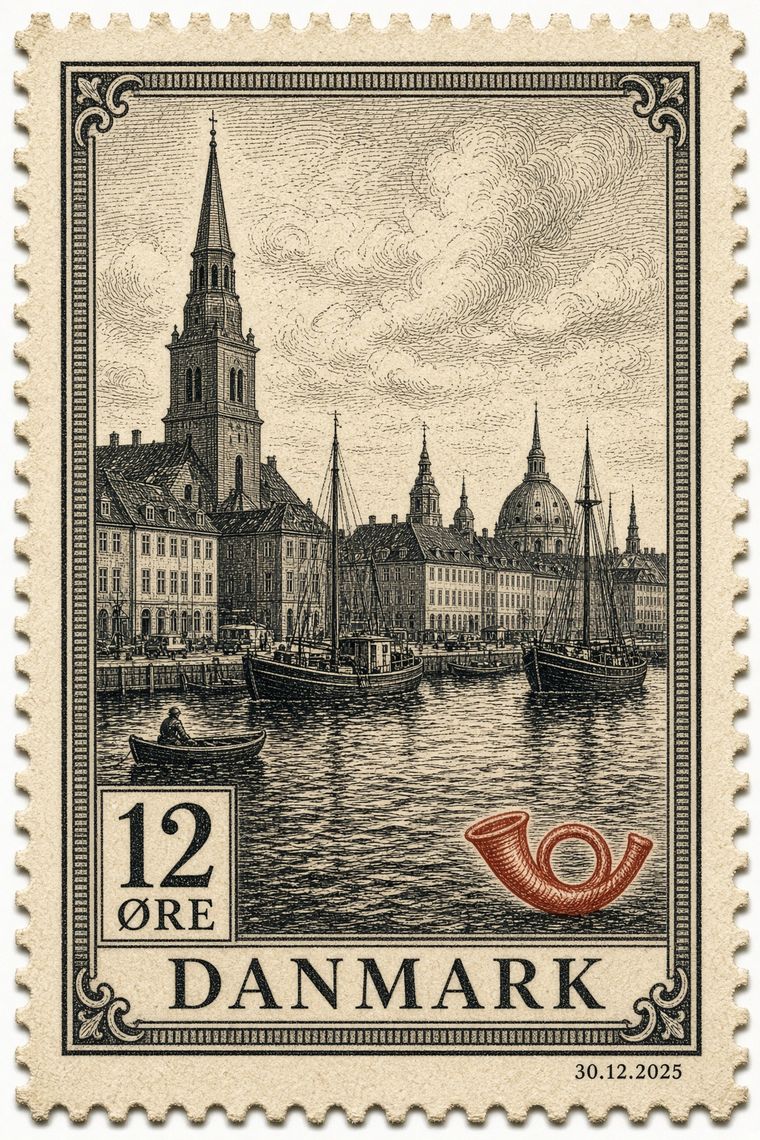
On 30 December 2025 PostNord delivered its last letter in Denmark and left the letter business. DAO carried letters on the next day. The boxes had already thinned.

This page reads the European Commission’s open postal table — 404 country-years, 11 measures, 2012 to 2024 — and then lets you design the stamp you would still post.

Danmark postage stamp, 30 December 2025

Sweden · letters / person

278.9 → 93.2

2012–2024 · -66.6%

Germany · letters / person

186.4 → 126.4

2012–2024 · -32.2%

Denmark · letter boxes

8,780 → 3,547

2012–2020

The world

Every shore. Colour only where the table speaks.

Open the world map

A route still runs from Copenhagen to Hong Kong. Open the map to read income, development, or the European letter series.

Hong Kong
Letters per person, 2024, on the world1.9 – 176.0

02 — Objects

Six things a letter still touches

Paper

In this table a domestic letter is cleared, sorted, carried and delivered inside one country. Parcels are not letters. Unaddressed mail is not a letter. Sweden is the clean long series: letters per person fall hard, and the line is published all the way to 2024.

Sweden 278.9 (2012) → 93.2 (2024)

03 — Anatomy

How to read a stamp

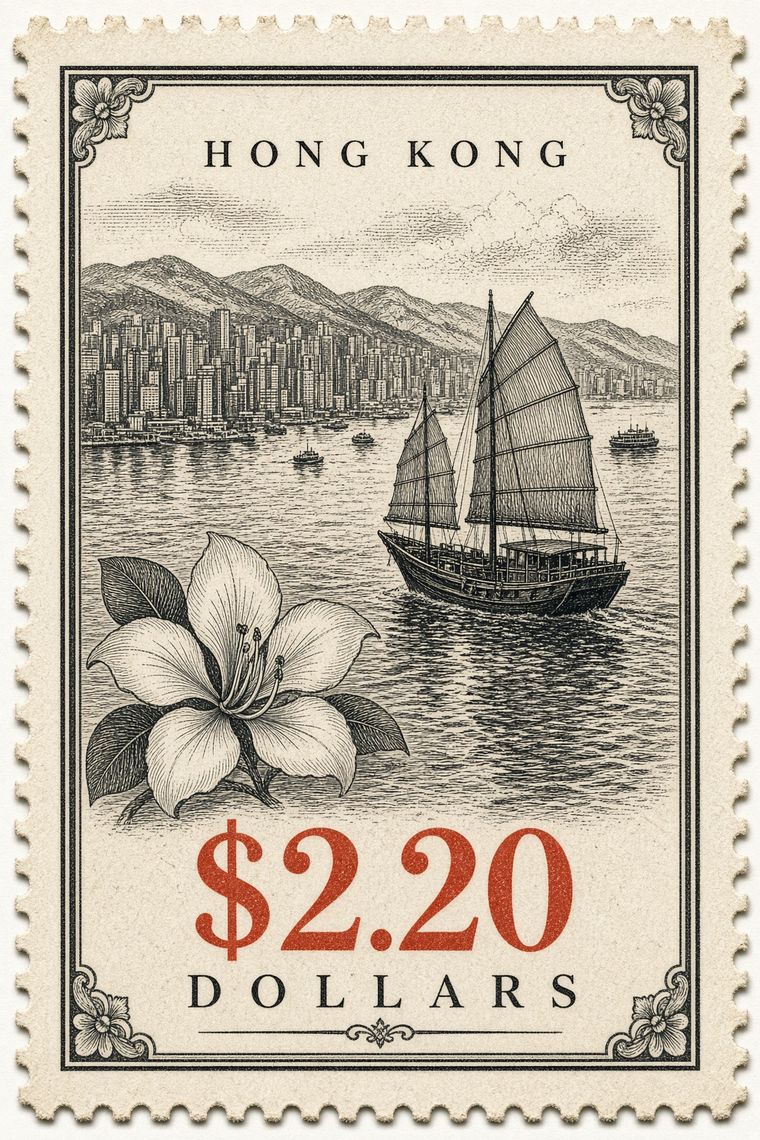
2.20

Hong Kong

Paper

Image

The picture is nominal data. A queen, a flower, a festival, a handover. Colour and shape sort things into groups. They do not say “more”. Most people remember only this part, which is why a stamp can carry a nation and still be a bad chart.

05 — Hong Kong

The design changes. The count is a different question.

Hong Kong is the object lesson, not a forged row. What follows is a public chronology of how the stamp’s picture changed. It is not a price list and not a volume chart.

  1. 1862

    A profile becomes a route

    The first Hong Kong postage stamps put Queen Victoria on paper. A young port uses a face to say: this letter can leave.

  2. 1891

    An overprint is the event

    The Jubilee overprint sits on an older value. Collectors still hunt it because the object is the anniversary, not a new drawing.

  3. 1941

    A centenary on the edge of war

    A commemorative issue tied to 1841, printed into a city about to be occupied. The design outlived the year it was asked to celebrate.

  4. 1962

    The stamp looks at itself

    A century after the first issue, postal history becomes a subject a stamp can picture. The territory starts collecting its own paper.

  5. 1997

    The name changes

    SAR definitives carry the bauhinia. The country line on a stamp is a political sentence. Do not confuse that picture with a volume of letters.

  6. New Year

    A ritual, not a single year

    Lunar New Year issues became something families buy and keep, and rarely post. The stamp survives as a gift.

  7. 2008

    A city borrows a world event

    The Olympic equestrian events were held in Hong Kong. A global meeting pressed into a small rectangle.

  8. Now

    Still designed. Not in this table.

    Hongkong Post still releases special stamps. Letter volumes for Hong Kong are not in the European extract on this page. Do not borrow Sweden’s line to describe Sha Tin.

Workshop

Six printed plates. One you still draw.

The engraved stamps are references. The small drawn one — harbour, petals, a postmark — stays in the workshop, with a name on it.

Denmark postage stamp
Denmark30.12.2025
Hong Kong postage stamp
Hong Kong$2.20
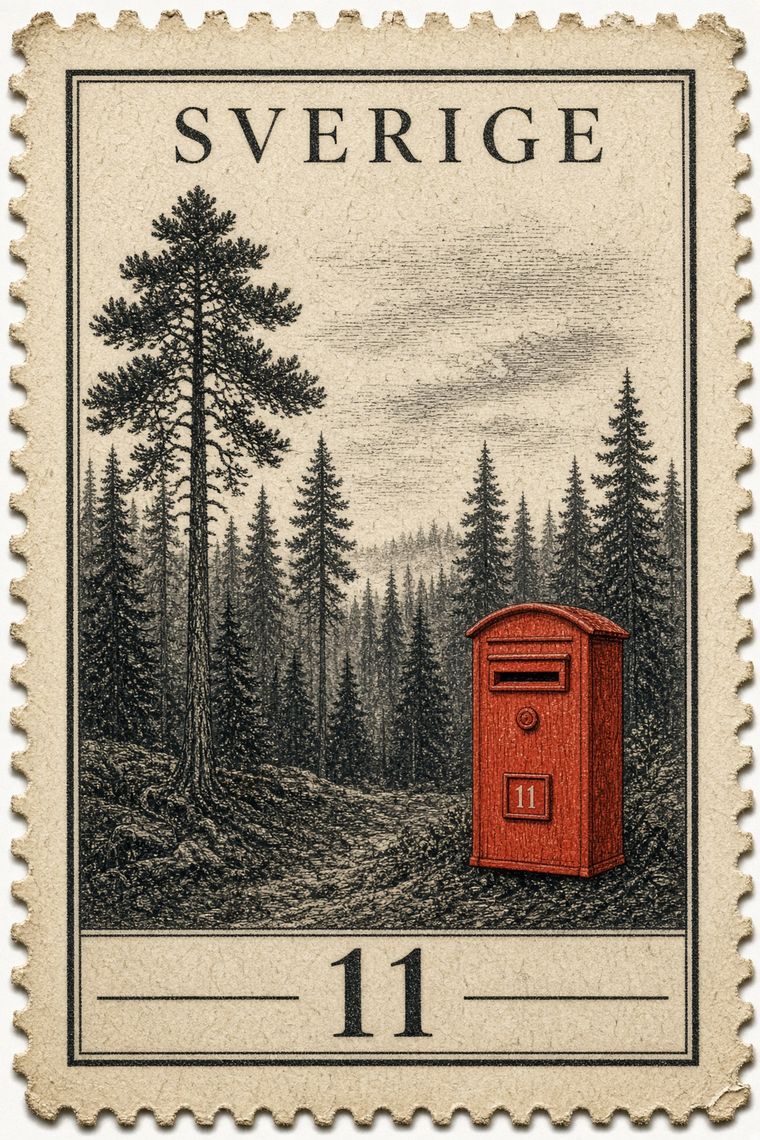
Sweden postage stamp
Sweden11
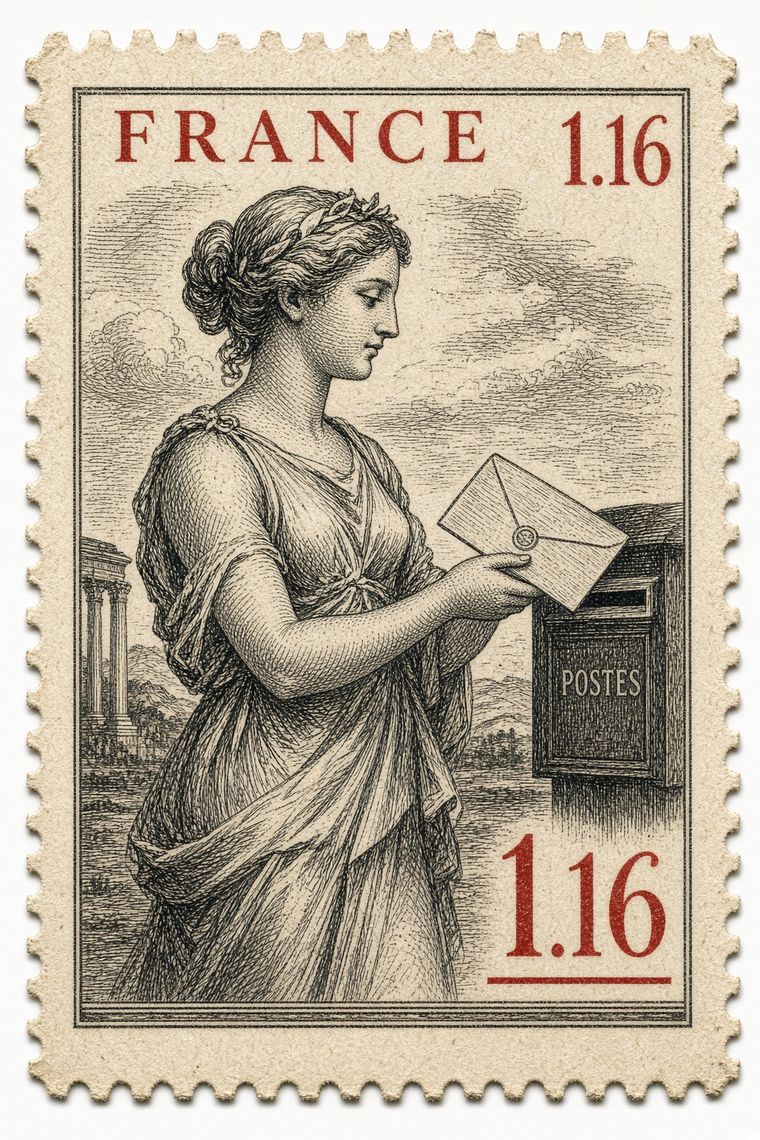
France postage stamp
France1.16
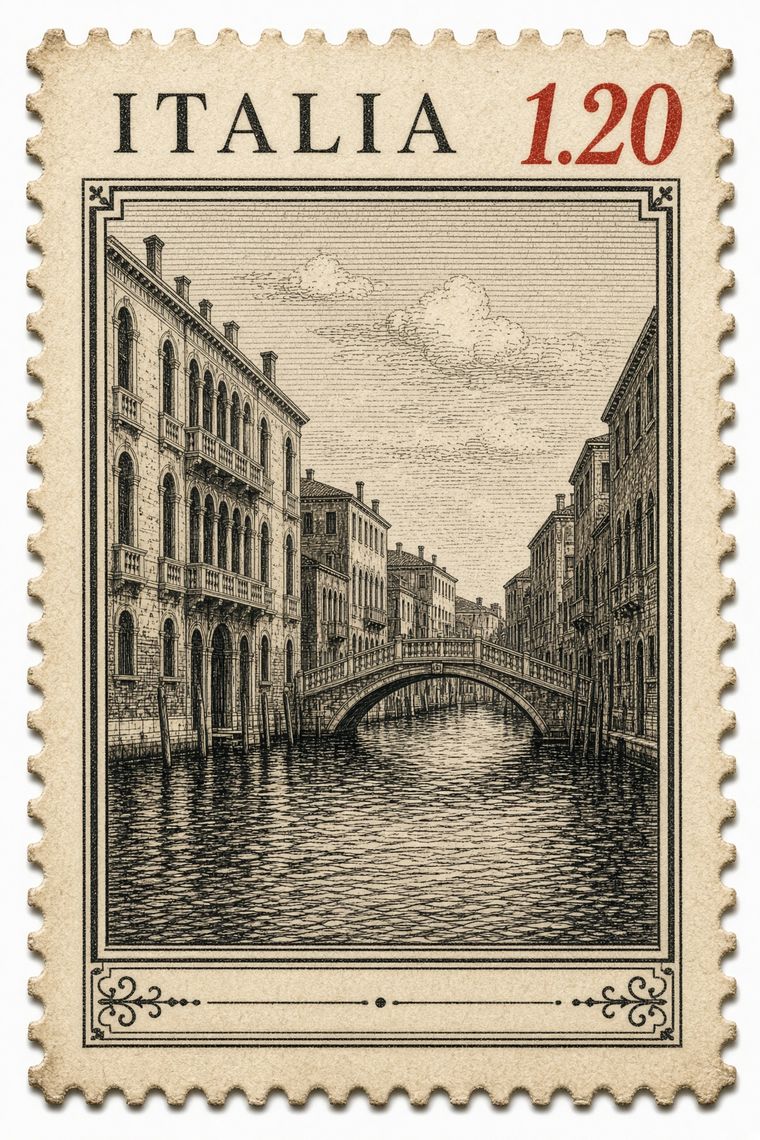
Italy postage stamp
Italy1.20
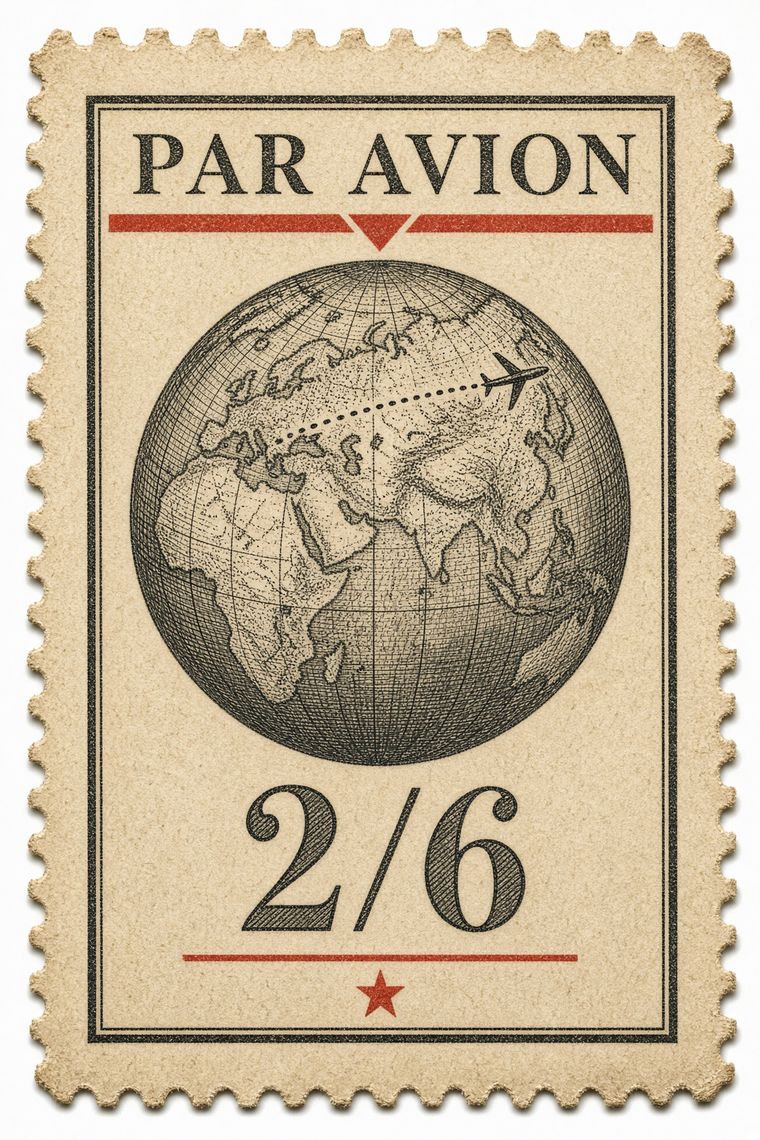
Airmail postage stamp
AirmailPAR AVION
Denmark30.12.2025
Hong Kong$2.20
Sweden11
France1.16
Italy1.20
AirmailPAR AVION

For the brief

What already meets Track 1, and what is still yours

Already on this page

  • Open data, not a drawing of data: European Commission DG GROW postal tables. 404 country-years, 11 measures, 33 countries, 2012–2024. Above the 100-row and 4-variable floor.
  • Four views, three families: a choropleth map, a line with a year brush, a ranked bar, and a scatter of letter-change against parcel-change.
  • Interaction: region filter, measure select, year slider, country click on the map and the bars, pin to compare, hover tooltips, brush, and the raw rows.
  • Reader: someone who has almost never queued for a stamp, and still might write one letter. The call to action is the name on the stamp.
  • Mobile: the same page stacks. Controls are at least 44px. The country menu exists because Malta is too small to tap on a phone map.

Still yours

  • The 3D globe is not in this version. Say when you have the hours. The flat map is already the geographic view Track 1 asked for.
  • Three tables, three units. postmark-dg-grow.csv is Europe, per person and thousand items. country-class.csv is World Bank income and the UN developed or developing region, with no letter volumes. upu-region-2024.csv is UPU’s 2024 regional estimates in billion items. Load each as its own Postgres table. Do not paste them together.
  • Hong Kong letter volumes are still not in the table. Take them from Hongkong Post annual reports, as new rows with their own source. Do not scale Europe’s rates onto Hong Kong.
  • Final project still wants a short audience check and a GenAI log. This chat is part of that log. Cite it. The numbers are not generated.
  • One correction for the pitch: Denmark did not abolish every letter. PostNord stopped; DAO carried letters on from 1 January 2026. Say that, or the room will.